
Winter brings snow days, cozy nights, and holiday memories but it also brings some of the harshest conditions your floors will face all year. From tracked in salt to constant moisture, winter weather can quietly cause long-term damage to carpets, tile, and grout if not properly managed. Understanding what winter does to your floors and how to protect them can save you from costly repairs and premature replacements.
The Hidden Threat of Salt and Deicing Chemicals
One of the biggest culprits of winter floor damage is salt. While it helps keep sidewalks and driveways safe, salt particles get easily tracked indoors on shoes and boots.
Once inside, salt acts like sandpaper. It grinds into carpet fibers and floor surfaces, breaking them down over time. On hard surfaces, salt residue can dull finishes and discolor grout lines. Left untreated, it can permanently stain carpets and weaken tile and grout.
Moisture Is More Destructive Than You Think
Snow and slush melt quickly indoors, introducing excess moisture to your floors. Carpets absorb this moisture deep into the padding, creating an environment where odors can linger and fibers can deteriorate.
Tile and grout are also vulnerable. Grout is porous, meaning moisture seeps in easily. Over time, repeated exposure can cause grout to darken, weaken, and even crack. Moisture trapped under flooring can also lead to mold growth, especially in high traffic entryways.
Increased Foot Traffic Equals Increased Wear
Winter naturally means more time spent indoors. Families, pets, and guests all contribute to heavier foot traffic, which accelerates wear on carpets and hard floors. Entryways, hallways, and living rooms take the biggest hit.
Without professional cleaning, dirt and debris become embedded in flooring, making everyday vacuuming and mopping less effective. This buildup slowly breaks down materials and shortens the lifespan of your floors.
Why DIY Cleaning Is Not Enough in Winter
Many homeowners try to manage winter messes with frequent vacuuming or store bought cleaners. While these steps help on the surface, they cannot remove deeply embedded salt, moisture, and debris.
In fact, some DIY methods can make winter damage worse. Overwetting carpets or using harsh chemicals can leave residue behind, attracting more dirt and causing faster re-soiling.
How Professional Cleaning Protects Your Floors
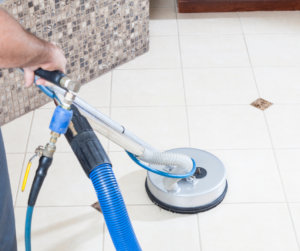
Professional floor and carpet cleaning goes beyond appearance. It removes abrasive salt particles, extracts trapped moisture, and restores flooring materials safely.
A professional clean during winter or immediately after the season helps:
- Extend the life of carpets and flooring
- Prevent permanent stains and discoloration
- Eliminate lingering odors caused by moisture
- Improve indoor air quality during closed-window months
- Restore the look and feel of your home
Winter is actually an ideal time for professional cleaning. Lower humidity levels allow carpets to dry faster, and addressing damage early prevents buildup that becomes harder to remove in spring.
Simple Steps to Reduce Winter Floor Damage
While professional cleaning is key, small habits can also help protect your floors:
- Place heavy-duty mats at all entrances
- Encourage shoe removal indoors
- Vacuum high traffic areas more frequently
- Address spills and wet areas immediately
These steps, combined with professional cleaning, create a strong defense against winter wear.
Start the Year with Floors That Last
Winter weather is tough on your home, but it does not have to leave lasting damage. Taking proactive steps now helps protect your investment and keeps your home healthier and more comfortable all season long. If your floors have been through a busy winter already, a professional cleaning can help reset them and prepare your home for the months ahead.
Ready to protect your floors this winter? Book your floor cleaning today with Keep It Klean and start the year with a cleaner, healthier home.

 Carpet Cleaning: The Fall Refresh Every Home Needs
Leave a Reply